


Starting a franchise journey often begins with a specific vision of expansion, but many brands find themselves stalled before the first unit is even sold. The typical path involves hiring a high-priced franchise consulting firm to draft a comprehensive strategy, refine the operations manual, and prepare the Franchise Disclosure Document (FDD). While these deliverables are essential for legal compliance and structural integrity, there is a recurring industry secret that few consultants mention: a strategy document does not sell franchises. Many emerging brands spend upwards of $80,000 on "readiness" only to realize they have no one to actually drive the sales cycle, resulting in a stack of expensive paperwork and zero growth momentum.
At FranLift, we see this gap every day. Traditional consulting models are built on a "delivery" mindset where the engagement ends once the binder is handed over. If you want to scale, you don't just need a consultant to tell you what to do; you need a development partner who will actually do the work.
The Strategy Gap: Why a Franchise Consulting Firm Can't Scale Your Brand Alone
The primary role of a traditional franchise consulting firm is to build the foundation. They are architects. They look at your business, analyze the unit economics, and help you package the opportunity for potential investors. This is a critical step, especially when navigating the strict requirements of the FTC Franchise Rule, which mandates specific disclosures before any money changes hands. However, an architect isn't a general contractor. Once the blueprints are drawn, the consulting firm often exits stage left, leaving the business owner to figure out how to find, qualify, and close candidates.
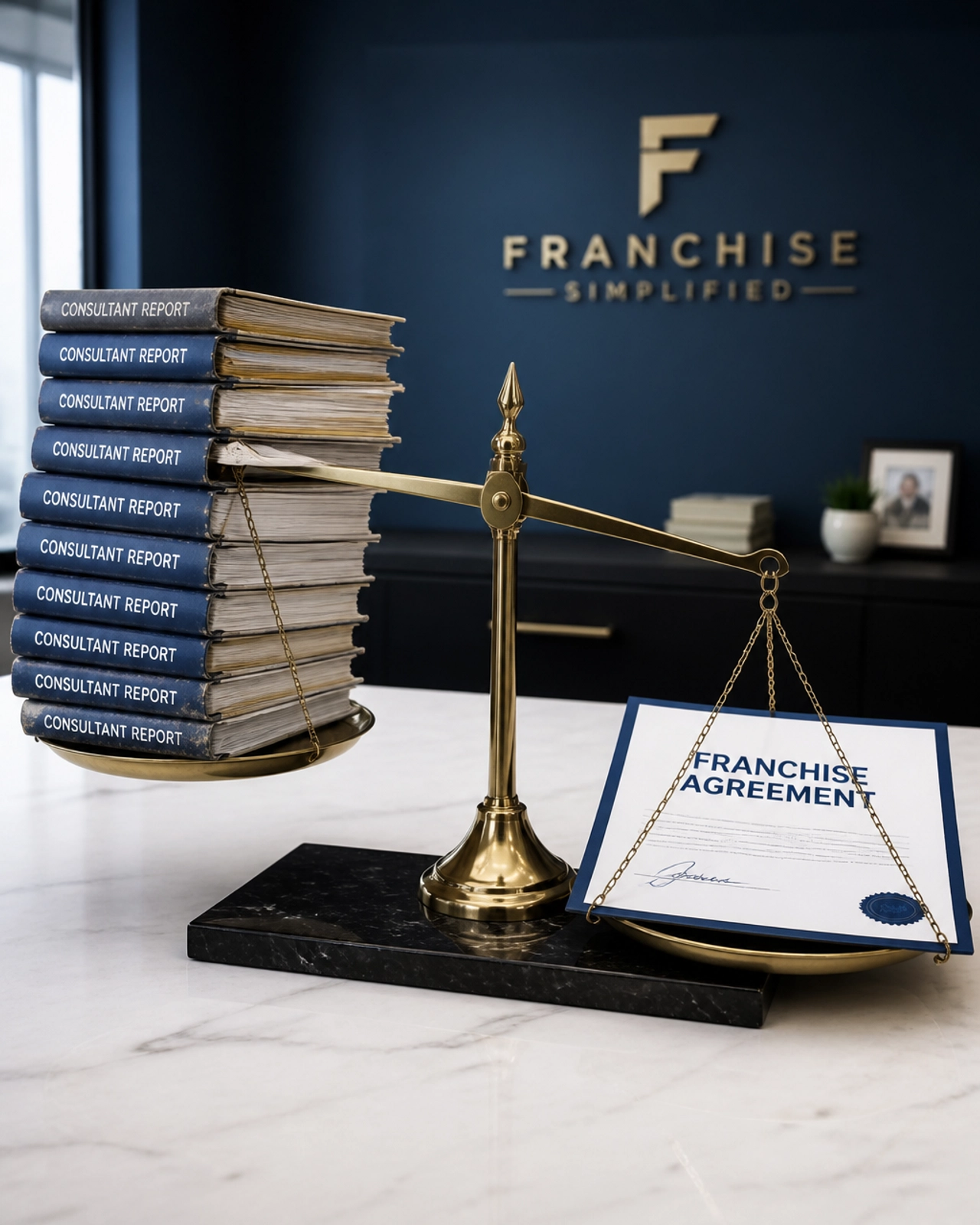
This creates a dangerous "execution gap." Business owners, already stretched thin managing their existing corporate locations, suddenly find themselves acting as full-time recruiters. They realize that "sales support" in a consulting contract often just means a few coaching calls or a template for a lead-tracking spreadsheet. Without a dedicated sales engine, the investment in a franchise consulting firm can become a sunk cost rather than a catalyst for growth.
The Hidden Cost of Retainers and Long-Term Commitments
When you look at the established players in the consulting space: names like iFranchise Group or BrandOne: you often see a similar pattern: high upfront fees followed by long-term retainers. It is not uncommon to see 12-to-24-month contracts that lock you into a fixed monthly expense regardless of performance. For an emerging brand, this creates a significant cash flow burden.
Traditional firms argue that these long timelines are necessary to "build the brand," but in the fast-moving world of modern franchising, speed and flexibility are your greatest assets. Why should you be tied to a two-year contract before you’ve even seen if the sales process works?
The FranLift strategy is built on a different philosophy. We believe that if we aren't delivering value, you shouldn't be paying us. By offering flexible month-to-month agreements without long-term lock-ins, the pressure is on us to perform every single month. This alignment of interests is often missing in the traditional franchise consulting firm model, where the firm is guaranteed their retainer whether you sell one unit or twenty.
The Equity Trap: Keeping What You Built
One of the more aggressive trends in the Franchise Sales Outsourcing (FSO) world involves firms asking for equity in exchange for their services. They might offer a lower monthly fee or promise "skin in the game," but in reality, they are taking a permanent piece of your future royalties and brand value.
Ask yourself: How much strategic control do you want to lose?
Giving up equity to a sales partner might seem like a way to save cash today, but it is the most expensive money you will ever "spend." At FranLift, we operate on a zero-equity model. We are a service provider and a partner, not a co-owner. You keep 100% of your brand, your royalties, and your long-term equity. Our goal is to build your sales engine so effectively that you eventually have the choice to bring it in-house or keep scaling with us, but you always own the machine.

Full-Cycle Development vs. a Traditional Franchise Consulting Firm
Many people confuse a franchise consulting firm with a sales outsourcing firm, and while there is overlap, the differences are vital. A standard FSO might just handle the "leads" you send them, acting as a third-party call center. On the other hand, a consulting firm might only handle the "strategy."
FranLift provides a full-cycle franchise development solution. This means we don't just wait for leads to appear; we help manage the entire ecosystem.
- Selective Partnerships: We only take on a small handful of brands at a time to ensure high-touch service.
- Hands-on Leadership: We act as your fractional VP of Franchise Development, representing your brand with the same passion as an internal hire.
- Lead Generation to Placement: We manage the journey from the first click to the final signature.
This "anti-agency" approach is designed to eliminate the friction points where candidates usually drop out. When a franchise consulting firm hands off a lead to a brand owner who is too busy to call them back for three days, that lead is dead. We ensure that doesn't happen.
Rethinking the Partnership Model: From Advice to Action
If you are evaluating your options for growth, it is essential to distinguish between "advice" and "action." A consultant will tell you that your unit economics look good for a multi-unit operator. An execution partner will go out and find that multi-unit operator, walk them through the FDD, and get the deal to the finish line.
The industry is littered with brands that have "world-class" operations manuals and "industry-leading" strategy docs, yet they have remained at three corporate units for five years. They are victims of the franchise consulting firm trap: investing in the map but never actually starting the car.

Transitioning to a Scalable Sales Engine
Building a scalable sales engine requires more than just a list of tasks; it requires a culture of responsiveness and a deep understanding of the "Discovery Process." Potential franchisees are looking for a brand that is organized, professional, and ready to support them. If your development process is clunky or handled by a disengaged franchise consulting firm, it reflects poorly on your entire franchise system.
How much momentum are you losing by waiting for a 12-month "strategy phase" to end?
The reality is that you can: and should: do both. You can refine your operations while simultaneously building your sales pipeline. This is why FranLift's model focuses on immediate impact. We integrate into your brand, learn your unique value proposition, and start the development cycle immediately.
Whether you are in food and beverage, home services, or specialized technology, the goal is the same: find the right partners who fit your culture and have the capital to grow. You don't need more binders; you need more signed agreements.
Key Takeaway: Don't let your growth plans get buried under a mountain of consulting reports. The difference between a brand that stays local and a brand that goes national is almost always the quality of their execution partner, not the thickness of their strategy doc.
Frequently Asked Questions
What is the difference between an FSO and a franchise consulting firm?
A franchise consulting firm typically focuses on the structural and strategic parts of franchising, like documentation and system design. A Franchise Sales Organization (FSO) like FranLift focuses on the execution of the sales cycle, actively recruiting and closing new franchisees to grow the network.
Why should I avoid equity-based development deals?
Equity deals are permanent. While they may lower upfront costs, you are trading away long-term royalty revenue and brand ownership. A professional development partner should be able to deliver results based on a service fee and commission structure, allowing you to retain full control of your company.
Can an emerging brand handle sales internally?
It is possible, but it is often the primary reason brands fail to scale. The "founder-led" sales model works for the first few units, but once you need to manage lead flow from multiple sources and follow a rigorous legal disclosure process, it becomes a full-time job that pulls the founder away from running the core business.
How does a month-to-month contract benefit the franchisor?
It places the risk on the development partner. In a traditional franchise consulting firm model with long-term retainers, the firm gets paid even if no units are sold. A month-to-month model ensures the partner is constantly motivated to provide high-level service and results to maintain the relationship.
