


Scaling a brand is often met with a crossroads that feels more like a compromise than a celebration. You have built something remarkable, a concept with "legs" and a proven P&L, but the jump from ten units to a hundred requires a specialized engine you might not have under the hood yet. For years, the industry told you there were only two real paths: hire an expensive in-house VP of Development or sign your life away to a traditional franchise consulting firm. But the emergence of the modern franchise development agency has flipped the script, offering a disruptive alternative that prioritizes your ownership and your agility over outdated industry norms.
Traditional consulting firms have long operated on a "partner for life" mentality: which sounds romantic until you realize it usually comes with a demand for 10% to 30% of your equity. They position themselves as stakeholders, claiming that "skin in the game" is the only way to ensure alignment. In reality, this often leaves founders feeling like they have traded a piece of their legacy for a service provider. A contemporary franchise development agency operates on a fundamentally different premise: if the service is excellent, you will want to keep paying for it. There is no need for "golden handcuffs" when the results speak for themselves.
The Equity Trap of Legacy Consulting
Why are brand leaders suddenly turning away from the equity-share model? It comes down to long-term valuation. When you are an emerging brand with 15 units, giving up a 15% stake to a development partner might feel like a fair trade for their expertise. However, once you hit the 100-unit mark and eye a potential private equity exit, that "small" slice of the pie becomes a multi-million dollar mistake. You realize you have paid a permanent price for a temporary growth phase.
Traditional firms often justify these equity grabs by promising deep strategic involvement. Yet, as many CEOs have discovered, once the contract is signed, the "strategic partner" often becomes a ghost, showing up only for quarterly board meetings while their junior associates handle the actual lead flow. A results-oriented franchise development agency removes this friction by keeping the relationship strictly professional and performance-based. You retain 100% of your company, meaning every bit of value created by the expansion belongs to you and your original stakeholders.
How much strategic control are you willing to sacrifice for a growth partner? In the modern landscape, the answer for savvy founders is increasingly "none." You want the expertise without the permanent dilution of your cap table.
Flexibility Over Long Term Lock-ins
The most significant disruption brought by the agency model is the shift toward month-to-month flexibility. Traditional FSOs (Franchise Sales Outsourcing) and consulting groups typically demand 12-to-24-month commitments. They argue that franchise sales have a long cycle, which is true, but they use that fact to insulate themselves against underperformance. If the leads aren't converting or the "culture fit" isn't there, you are still stuck paying a retainer for the next year.
A modern franchise development agency like FranLift operates with the confidence that their value is proven every thirty days. This creates a high-stakes environment for the agency: they have to perform to keep your business. This pressure drives a level of intensity and focus that is rarely found in the comfortable, locked-in world of traditional consulting.
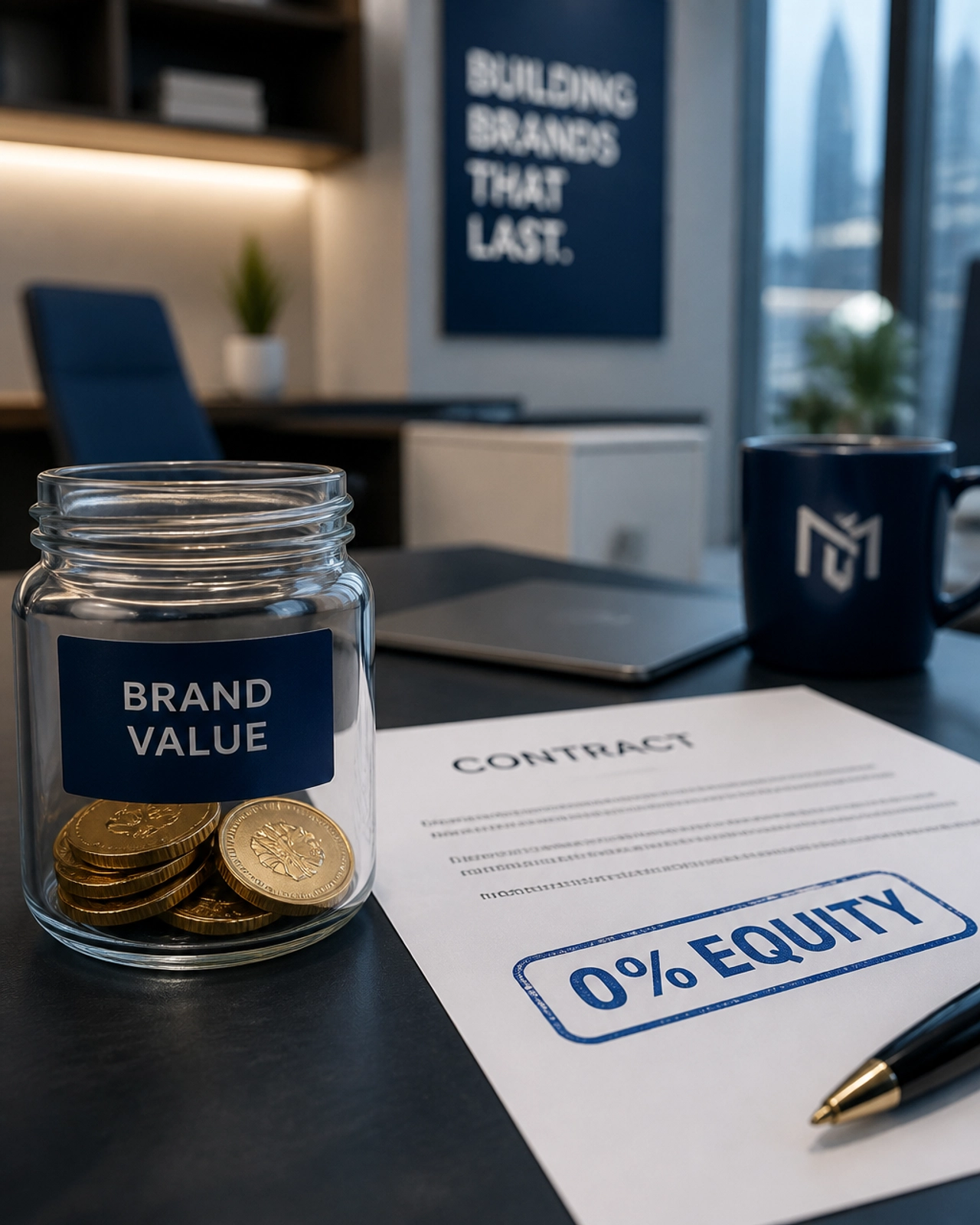
For a CEO, this flexibility is a powerful risk-mitigation tool. If the market shifts or if you decide to pivot your internal strategy, you aren't tethered to a legacy contract. You can scale your development efforts up or down based on your real-time capacity to onboard and support new franchisees. It turns franchise development from a fixed, heavy overhead into a variable, agile growth lever.
Why the Performance-Driven Franchise Development Agency Wins
When you remove the distraction of equity negotiations and long-term legal battles, you are left with one thing: the work. The modern agency model specializes in full-cycle development, meaning they handle everything from the initial inquiry to the final signature on the Franchise Disclosure Document (FDD).
This model is particularly effective because it bridges the gap between lead generation and candidate placement. Many traditional consultants will tell you what to do (strategy) but won't actually do the heavy lifting of calling leads at 7:00 PM on a Tuesday. An agency, however, is built for the "grind." They provide the professional sales leadership that understands how to move a candidate through the onboarding process without losing momentum.
Strategic Selection vs. Volume Grabbing
One of the common criticisms of external sales teams is that they will "sell to anyone with a pulse" to collect a commission. Traditional consultants, especially those with equity, might be tempted to juice the numbers to increase the brand's perceived value quickly.
Conversely, a top-tier franchise development agency thrives on selectivity. At FranLift, for instance, we only partner with a small handful of brands at a time. We aren't a factory; we are a boutique growth partner. This selectivity ensures that the candidates being placed are high-quality operators who will actually grow the brand's reputation, not just its unit count. According to International Franchise Association research, the cost of a "bad" franchisee far outweighs the initial fee they bring in. A performance agency understands that their reputation: and their month-to-month contract: depends on the long-term success of the franchisees they recruit.
Scalability Without Strings Attached
Whether you are in the food and beverage industry, home services, or the wellness sector, the need for professional sales expertise is universal. But the way you access that expertise is changing. The "Agency Model" is essentially the "Fractional Executive" concept applied to franchise growth. You get the caliber of a high-level VP of Development without the $250k salary, the benefits package, or the equity options.

Best For Emerging Brands (5-50 Units)
Emerging brands are in the "Proof of Concept" phase of scaling. You need to grow fast to achieve economies of scale, but you can’t afford to give up 20% of your company to a consultant. The agency model allows you to deploy professional-grade sales tactics immediately, ensuring that your first 50 units are built on a solid foundation.
Best For Established Systems (50-200+ Units)
Established brands often face a different challenge: stagnation. Your internal team might be burnt out, or your current growth strategy has hit a plateau. Bringing in a franchise development agency provides a fresh perspective and an external sales engine that can reignite the pipeline. Because the contracts are flexible, it serves as a perfect "booster rocket" for specific growth phases or territory rollouts.
Evaluating Your Partnership Strategy
As you look at the next 12 to 24 months of your brand's journey, ask yourself: do you want a vendor, a landlord, or a partner?
- A Vendor provides a service for a fee but often lacks the deep industry knowledge to close complex deals.
- A Landlord (the traditional equity consultant) takes a permanent piece of your "property" and expects a check every month, regardless of how much they contribute.
- A Partner (the modern agency) works alongside you, earns their place every month, and leaves your equity exactly where it belongs: with you.
The disruption we are seeing in the franchise world isn't just about technology or lead-gen tactics; it’s about the shift in power. The era of the "all-knowing" consultant demanding a stake in your dream is ending. It is being replaced by agile, specialized agencies that value performance over permanence.
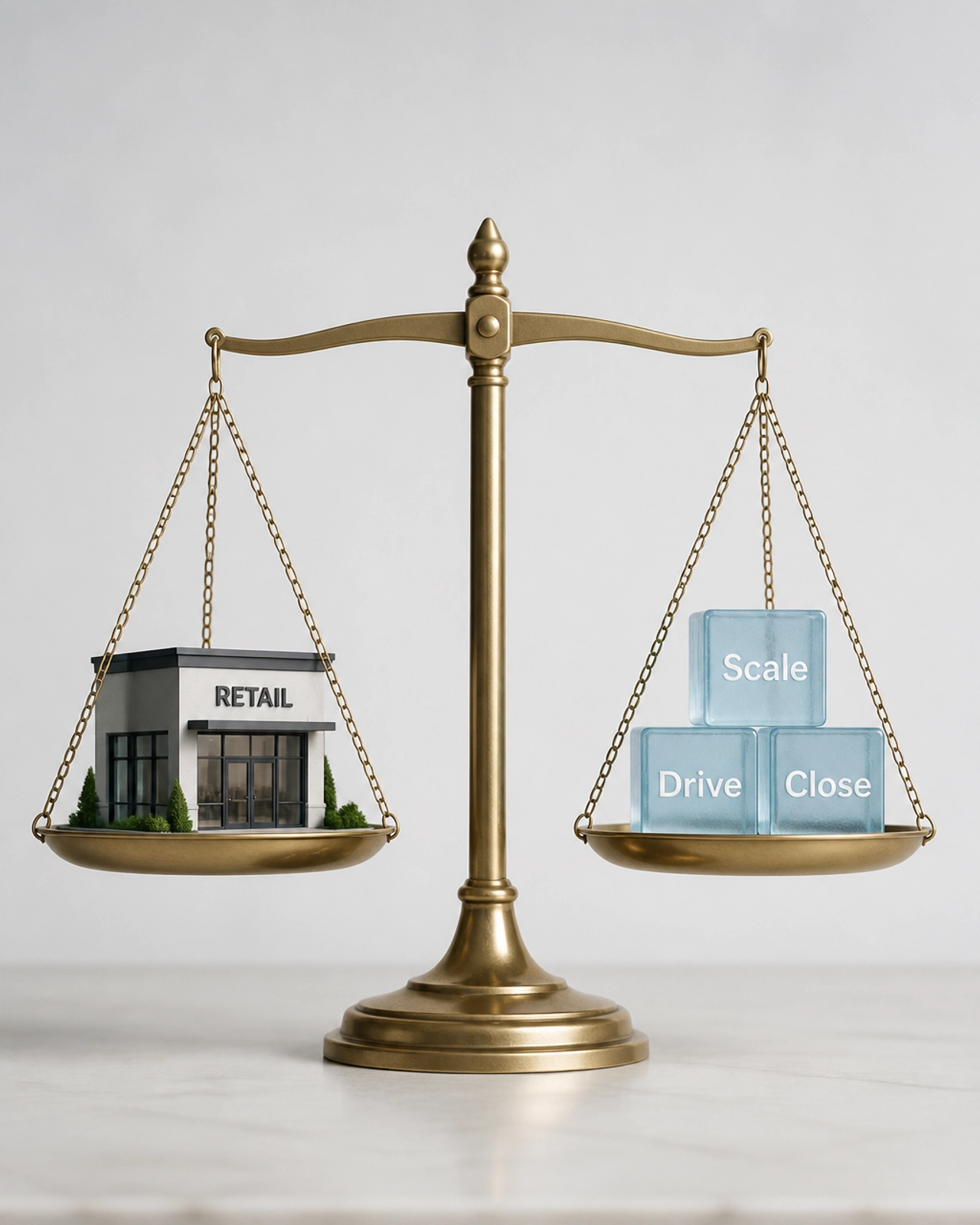
Refine your approach. Accelerate your timeline. And most importantly, do it on your terms. The future of franchising isn't about how much of your brand you can give away: it's about how effectively you can scale what you've built. By choosing a franchise development agency that aligns with your need for flexibility and 100% ownership, you aren't just buying a service; you are securing your brand's future.
The industry is moving toward this leaner, more transparent model because it simply works better for the franchisor. It is time to stop settling for the traditional "equity grab" and start demanding a development partner that values your brand's autonomy as much as you do.
Frequently Asked Questions
What exactly is the difference between an FSO and a franchise development agency?
While both outsource the sales function, an FSO often requires long-term commitments and may function as a high-volume "deal shop." A modern agency focuses on a customized, selective approach with flexible month-to-month terms and a higher focus on candidate quality over pure volume.
Why shouldn't I give up equity if it lowers my upfront costs?
Lowering upfront costs is helpful today, but equity is a permanent expense. As your brand grows, that 5% or 10% stake can represent millions of dollars in lost value during a sale or IPO. An agency model allows you to pay for performance without diluting your ownership.
How does a month-to-month contract ensure the agency stays committed?
It actually increases commitment. In a long-term contract, a provider can become complacent because they know they are getting paid regardless. In a month-to-month model, the agency knows they must deliver results and maintain a high level of communication to earn the next month's retainer.
Is an agency model suitable for brands in niche industries like automotive or tech?
Absolutely. The core principles of franchise development: lead qualification, storytelling, and navigating the legal disclosure process: are universal. A specialized franchise development agency brings a diverse set of experiences from various industries, allowing them to apply "best-in-class" tactics to your specific niche.
