


You’ve built something incredible. Your customers love you, your unit economics are humming, and your local market is saturated. But now, you’ve hit the "Founder’s Ceiling." You want to grow, but you can’t be in ten places at once, and your capital is tied up in your current operations. Learning how to franchise a business is the most effective way to break through that ceiling and achieve national or even global scale without the crushing weight of traditional corporate debt.
Franchising allows you to leverage the capital, energy, and local connections of motivated entrepreneurs. However, it isn’t as simple as just "selling your name." It requires a shift from being a business operator to becoming a system developer. If you’re ready to stop trading your hours for dollars and start building a scalable empire, this guide is your roadmap to success.
⭐ Step 1: Audit Your Brand for Scalability and Profitability
Before you dive into the legalities of how to franchise a business, you must perform a brutal, honest audit of your current operations. Not every successful business is a "franchisable" business. If your success depends entirely on your personal charisma or a 20-year-old secret family recipe that can’t be easily replicated, you may have a great business, but you don't have a franchise.
Best For: Brands with at least 1–2 profitable locations and a proven "prototype" model.
- Unit Economics: Your franchisees must be able to make a healthy profit after paying you a royalty. If your margins are paper-thin, adding a 6% or 7% royalty fee will sink your partners before they start.
- The "Teachable" Test: Can you teach a moderately intelligent person how to run your business in 30 days or less?
- Market Demand: Is your concept a local fluke, or does it solve a problem that exists in Boise, Idaho, and Miami, Florida alike?
How much strategic control do you want? Scaling through franchising requires giving up some control over daily operations in exchange for rapid growth.
⭐ Step 2: Construct Your Operational and Legal Blueprint
Once you’ve confirmed your model works, it’s time to build the "Owner’s Manual." You aren’t just selling a brand; you are selling a system. This system is codified in two primary documents: the Operations Manual and the Franchise Disclosure Document (FDD).
The Operations Manual (The "How-To")
This is the "Bible" of your business. It should cover everything from how to open the doors in the morning to the exact temperature the fryer needs to be. Standard Operating Procedures (SOPs) are the only thing standing between a consistent brand experience and total chaos.
The FDD (The Legal Shield)
In the United States, franchising is regulated by the FTC. You will need an experienced franchise attorney to draft your FDD. This document outlines the 23 items required by law, including fees, initial investment costs, and your obligations as a franchisor.

⭐ Step 3: Develop a High-Octane Support and Training Ecosystem
Your franchisees are your customers now. To keep them successful (and paying royalties), you need to provide world-class franchise development services. This starts with an intensive training program.
- Classroom Training: Covering the "why" and "how" of your brand values, marketing, and financials.
- On-Site Support: Sending a "launch team" to the franchisee's location for their first week to ensure they don't drown during the grand opening.
- Ongoing Innovation: You should always be working on the business, negotiating better supply chain pricing, improving tech stacks, and refining marketing strategies, so your franchisees can work in their business.
Action Item: Review your onboarding process early. The first 90 days of a franchisee's journey determine their long-term success.
⭐ Step 4: Leverage a Franchise Sales Organization (FSO) to Drive Growth
This is where most emerging brands stumble. They build the manual, they get the legal docs, and then… nothing. They wait for the phone to ring. If you want to scale quickly, you need a professional franchise sales organization (FSO) to handle the heavy lifting.
Best For: Founders who want to focus on operations and brand vision rather than spending 40 hours a week on sales calls.
Using a franchise sales organization like FranLift allows you to outsource the entire sales cycle, from lead generation and vetting to the final "Discovery Day."
Why Use an FSO?
- Expertise: They know the nuances of franchise law and sales psychology.
- Network: They have existing relationships with franchise brokers and consultants.
- Speed: An FSO can take you from zero units to twenty much faster than a solo founder could.
- No Equity: Unlike some partners, a top-tier FSO like FranLift works on a month-to-month basis without taking a piece of your company.
Drive your growth by partnering with experts who provide full-cycle franchise development services. Why try to be a salesperson when you are a visionary?
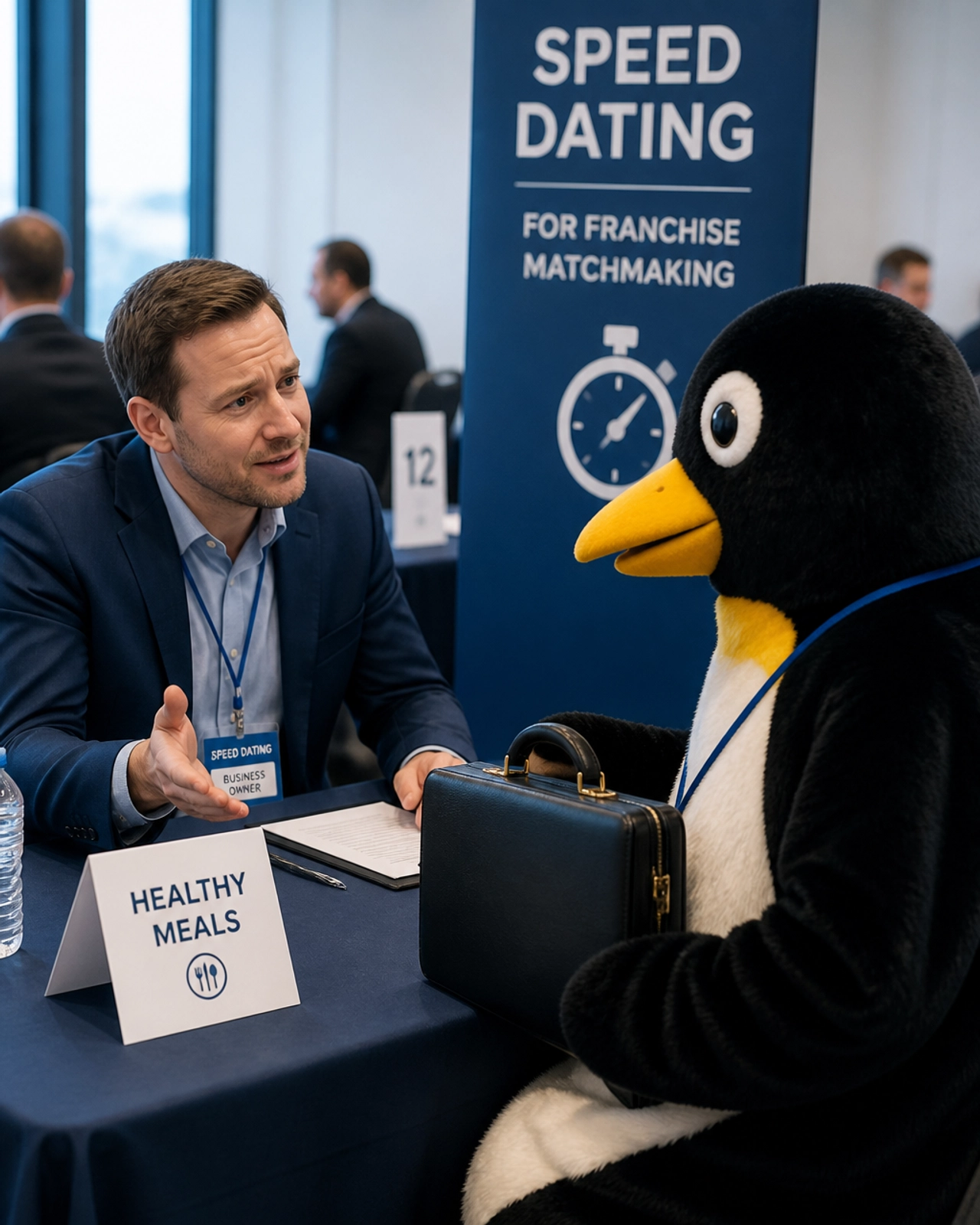
⭐ Step 5: Master the Art of Candidate Vetting
The biggest mistake an emerging brand can make is "selling to anyone with a checkbook." One bad franchisee can ruin your brand's reputation in an entire region. You need a rigorous vetting process to ensure every partner is a culture fit.
- Financial Requirements: Ensure they have the liquid capital and net worth to weather the first 12 months of business.
- Operational Mindset: Are they "operator" types who will be in the store, or "investor" types who want to manage from a distance? Make sure their goals align with your model.
- Passion: If they don't love the product, they won't lead their team effectively.
Refine your selection criteria until you are only awarding franchises to the top 5% of applicants. It is better to have five successful units than fifty failing ones!

🚀 Accelerate Your Future Today
Franchising is not just a growth strategy; it is a transformation. By following these 5 steps on how to franchise a business, you move from owning a job to owning a legacy. You provide opportunities for other entrepreneurs while scaling your brand's footprint across the map.
The transition from a single unit to a national presence requires the right partners. Whether you need a comprehensive strategy or a dedicated franchise sales organization to fill your pipeline, the time to start is now. Don't let your brand's potential stay trapped within four walls.
FAQ: How to Franchise a Business
Q: How much does it cost to franchise my business?
A: Typically, you should budget between $50,000 and $150,000 for the initial setup. This includes legal fees for the FDD, operations manual development, brand auditing, and initial marketing materials.
Q: Can I franchise my business if I only have one location?
A: Yes, provided that location is highly profitable and has systems that can be easily replicated. However, having two or three locations proves the "system" works outside of just one specific neighborhood.
Q: What is the difference between an FSO and a broker?
A: A broker is like a real estate agent; they bring you a lead and take a commission. A franchise sales organization (FSO) is like having an outsourced VP of Sales. They manage the entire process, strategy, and lead nurturing from start to finish.
Q: How long does the process take?
A: Most brands can go from "starting the paperwork" to "ready to sell" in 4 to 6 months.
Q: Should I hire a full-time franchise sales person?
A: For emerging brands, a full-time hire is often too expensive and risky. Partnering with a professional team for franchise development services offers more expertise at a fraction of the overhead.
