


Every franchise development professional knows the uneasy silence that descends right after a prospective buyer receives the Franchise Disclosure Document. For most emerging brands, this document represents months of careful alignment, pitch decks, and energetic Discovery Day conversations. Yet, the moment a candidate is handed a dense, multi-hundred-page legal manual, momentum frequently stalls. When you operate as an experienced franchise consulting firm, you quickly realize that nobody gets excited about reviewing a 200-page document of pain and suffering. Instead of inspiring confidence, traditional legal disclosure often triggers unnecessary anxiety, forcing candidates into a defensive posture as they retreat to consult spouses, accountants, and attorneys.
Transforming this pivotal moment requires a fundamental shift in vocabulary and framing. By reframing the intimidating FDD review process into a collaborative unit economics review, you strip away the legalese and replace fear with clarity.
Navigating the Silent Middle Ground in Franchise Sales
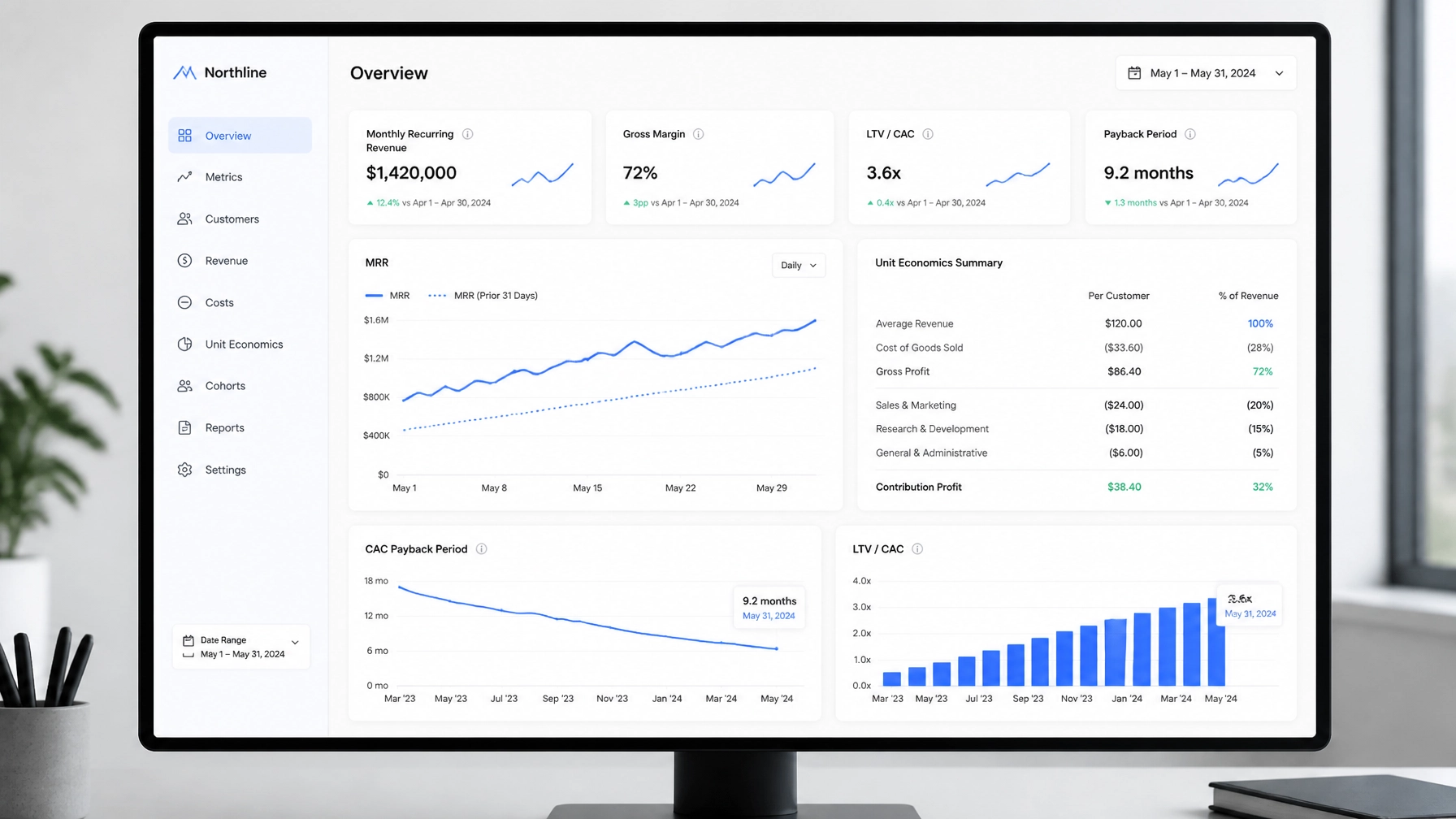
One of the most fascinating paradoxes in franchise development is how much energy brands pour into lead generation, introductory calls, and polished Discovery Days, while completely ignoring the fragile expanse in between. This silent middle ground is where deals are either won or quietly abandoned.
When a candidate downloads or receives the official disclosure document governed by federal guidelines such as the FTC Franchise Rule Overview, their mindset shifts instantly from visionary entrepreneurship to rigorous risk mitigation. Their questions become deeply personal. They stop imagining what daily operations might look like and begin calculating whether their personal savings account can withstand unexpected overhead.
From the outside, your sales team might perceive this radio silence as a lack of interest. In reality, the candidate is overwhelmed by the sheer volume of legal boilerplate, risk warnings, and regulatory disclaimers. Without proper guidance from a trusted franchise consulting firm, prospects often misinterpret standard disclosures as red flags, allowing doubt to poison an otherwise healthy pipeline.
Diffusing the Shock and Awe of Items 6, 7, and 19

The core mistake most development teams make is walking a candidate through the FDD chronologically. Starting with table of contents, corporate history, and litigation history sets an adversarial tone. It feels like an audit rather than an invitation to business ownership.
To diffuse the shock and awe, you must bypass the legal preamble and pivot directly to the financial heartbeat of the system: Items 6, 7, and 19. When you frame these sections around unit economics rather than legal compliance, the entire dynamic of the conversation shifts.
- Item 6 (Other Fees): Instead of presenting recurring fees as a laundry list of corporate extractions, walk the candidate through how royalties and technology fees fund ongoing operational support, marketing muscle, and software infrastructure.
- Item 7 (Initial Investment): Break down startup cost ranges not as a frightening financial hurdle, but as a detailed roadmap for capital allocation, leasehold improvements, and working capital reserves.
- Item 19 (Financial Performance Representations): Use historical performance data to anchor expectations realistically, showing candidates exactly how revenue models perform in the real world when execution aligns with the system playbook.
By addressing these three items first, you answer the candidate's most pressing underlying question immediately: Can I make money, and what will it cost to get there?
Why a Franchise Consulting Firm Changes the Conversation
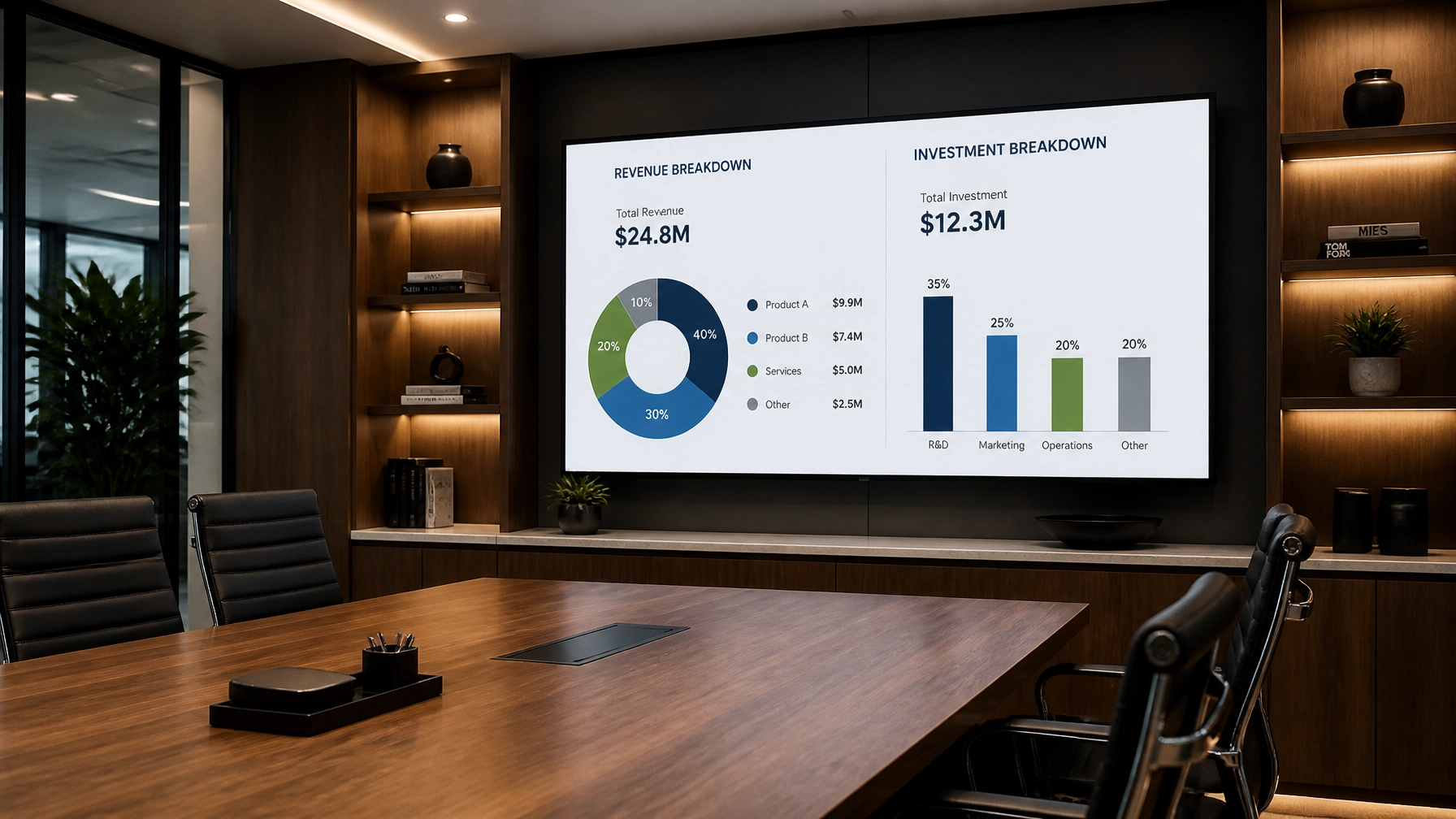
Managing this delicate transition requires specialized expertise that internal sales teams rarely have time to execute while juggling top-of-funnel lead generation. This is where partnering with a dedicated franchise consulting firm or an outsourced development partner proves invaluable.
When an objective, experienced specialist guides the conversation, the dialogue remains grounded in commercial reality rather than legal trepidation. Prospective buyers appreciate having an expert who can look at their local market conditions, cross-reference those insights with existing franchisee validation calls, and help them construct a credible pro forma model.
Rather than leaving the candidate alone with their accountant and attorney to decode complex legal jargon in isolation, your development partner acts as an active financial co-pilot. They help explain how startup expenses relate to actual revenue potential, turning outside advisors from deal-killers into confident advocates. You can explore customized development strategies and scaling frameworks by visiting FranLift.
Maintaining Momentum When Candidates Go Dark
The ultimate goal of renaming and restructuring the FDD review is eliminating friction and maintaining forward velocity. When candidates feel empowered by financial transparency rather than intimidated by legal text, they spend less time second-guessing their viability and more time engaging with validation partners.
Instead of waiting weeks for a nervous prospect to call back, structured unit economics reviews create natural touchpoints for follow-up. You can schedule dedicated sessions to review their preliminary cash flow models, discuss financing options with preferred lenders, and prepare them for Discovery Day with absolute financial clarity.
By removing the fear of the unknown, you protect your pipeline from unnecessary drop-offs and build a foundation of trust that lasts long after the franchise agreement is signed.
