

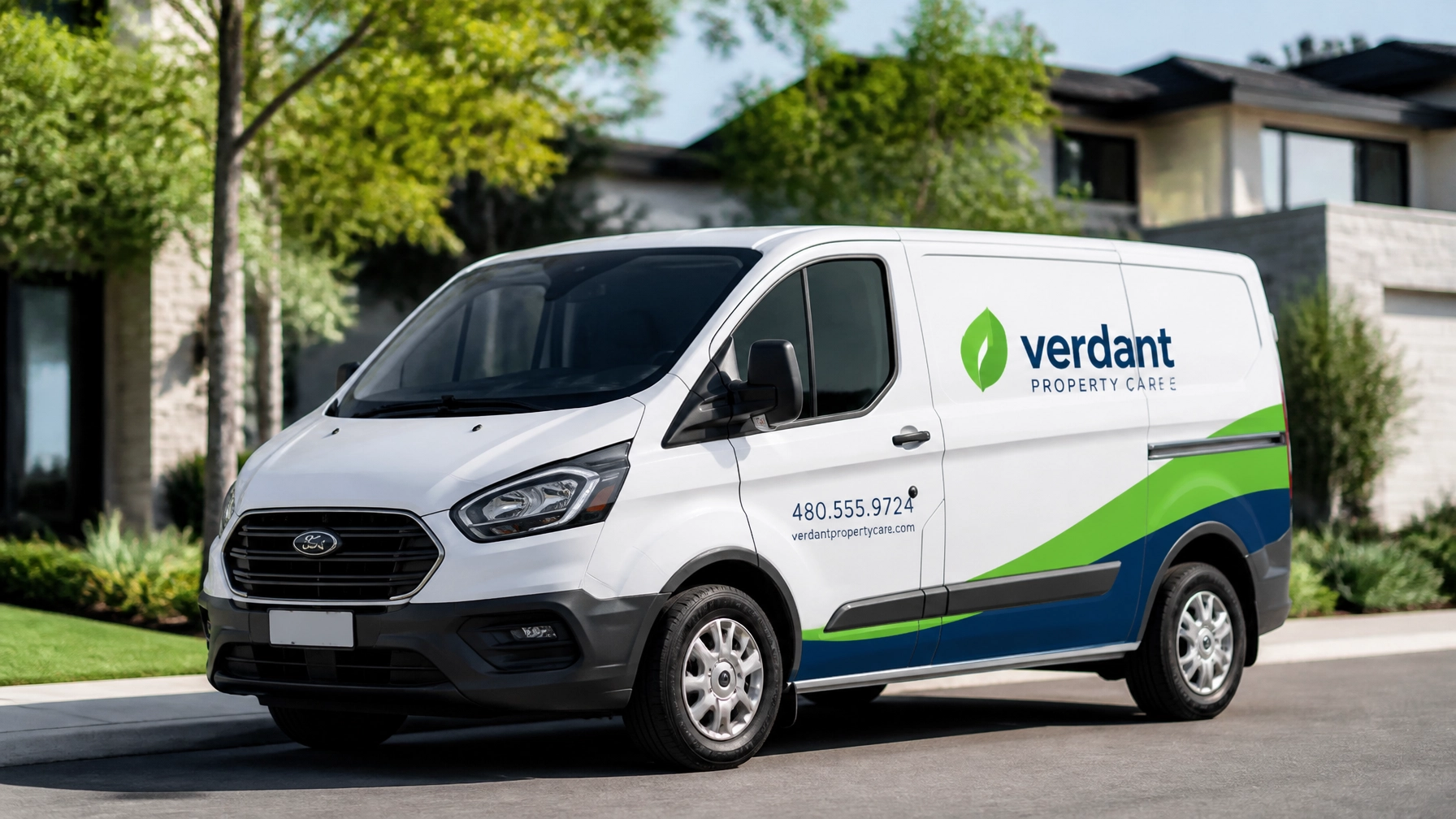
For decades, the American dream of business ownership was synonymous with a set of keys and a physical lease. You found a corner spot, painted the walls, and prayed the foot traffic would cover your astronomical overhead. But lately, that dream is starting to look a lot more like a liability. High commercial rents, persistent labor shortages, and shifting consumer habits have left many traditional storefront owners wondering if there is a better way to scale. This struggle has paved the way for a massive shift toward a more agile franchise investment tier, where the focus is on lean operations and high mobility rather than expensive square footage.
If you have been watching the industry closely, you have likely noticed that the barrier to entry for high-growth brands is shifting downward. According to recent data, over 67% of new franchise concepts now require an initial outlay of under $500,000. Even more striking is the explosive growth in the mid-range market. The $100K–$250K franchise investment tier led the pack in 2025, boasting a remarkable +26.9% net increase in unit growth. Entrepreneurs are no longer looking for the biggest footprint; they are looking for the fastest path to profitability.
The Strategic Shift in the Franchise Investment Tier
Why is this happening now? It is a classic "Pain-Solution" scenario. The pain is the friction of the traditional brick-and-mortar model. When you are tied to a physical location, your growth is geographically capped and your fixed costs are relentless. The solution is a more flexible franchise investment tier that allows for home-based management or mobile service delivery. This shift represents a fundamental change in how we think about brand presence.
In the current economy, a brand is defined more by its digital footprint and its service quality than by its storefront facade. This allows franchisors to offer opportunities that are far more accessible to a wider demographic of potential owners. By lowering the initial buy-in, brands can attract high-quality talent who might have been priced out of the million-dollar restaurant space but have the executive skills to run a multi-unit service empire.
How much strategic control do you want over your expansion? If you are looking to scale quickly without the headaches of commercial construction delays, moving toward a leaner franchise investment tier might be the smartest move you make this year.
Why the $100K–$250K Franchise Investment Tier Outpaced the Market
The +26.9% growth in this specific bracket is not an accident. It is the result of a perfectly timed intersection of technology and consumer demand. We are seeing a boom in categories like home maintenance, specialized wellness, and mobile pet care. These are businesses that go to the customer, rather than waiting for the customer to come to them.

⭐ Best For: The Agility Seekers
This investment level is ideal for the "Corporate Refugee" or the "Portfolio Diversifier."
- Corporate Refugees: Professionals with a background in management who want to own a business but do not want to be "flipping burgers."
- Portfolio Diversifiers: Existing multi-unit owners looking to add high-margin, low-overhead service brands to their current mix.
- The First-Time Owner: Someone looking for a proven system with a manageable risk profile.
By focusing on the $100K–$250K franchise investment tier, these owners can often reach their break-even point much faster than their peers in the retail or food sectors. When your monthly "rent" is a van lease and a small storage unit rather than a five-figure retail lease, your margins have a lot more room to breathe.
Mobile, Kiosk, and Home-Based: The New Powerhouses
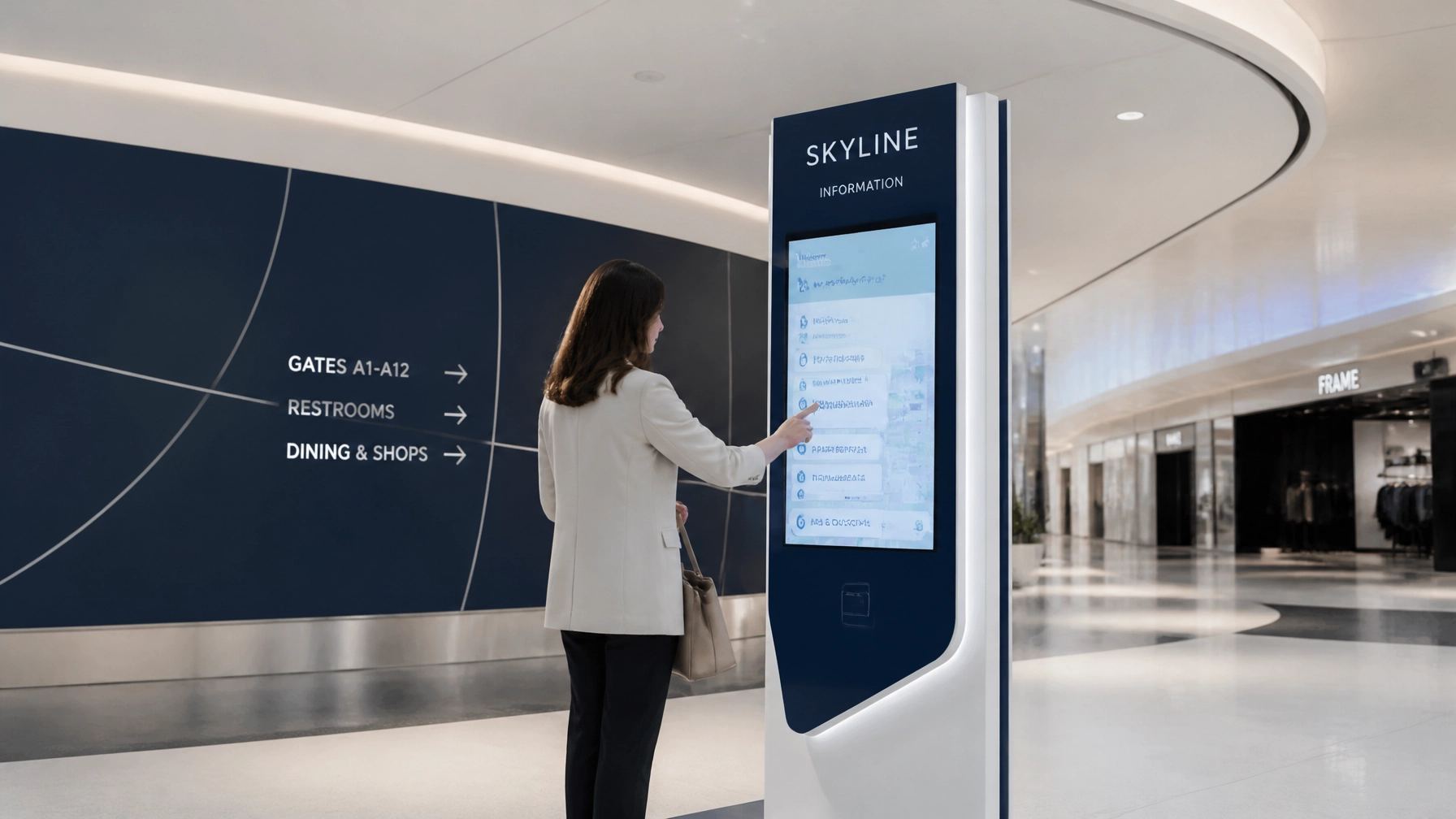
The rise of mobile and kiosk models has turned the traditional franchise world on its head. Kiosks allow brands to inhabit high-traffic areas like airports and sports arenas with a fraction of the staffing requirements. Meanwhile, mobile models: ranging from water restoration to mobile gyms: bring the brand directly into the customer's driveway.

These models thrive because they solve a modern problem: time. Customers are willing to pay a premium for convenience. When a franchise can offer a "done-for-you" service at the customer's doorstep, the value proposition is undeniable. From a franchisor's perspective, these models are easier to sell and faster to launch, making them a preferred choice for brands looking to accelerate their growth through franchise sales leadership.
Industry Insights from FDDIQ and FRANdata
The data from the FDDIQ State of Franchising report highlights a significant trend: the "middle" is where the action is. While the headlines often focus on the massive global food chains, the actual engine of domestic growth is found in the service-based brands within the sub-$250K franchise investment tier.
FRANdata research suggests that lenders are becoming increasingly comfortable with these models because they are often more resilient during economic downturns. If a retail location loses its anchor tenant, the business is in trouble. If a mobile service franchise loses a specific territory, it can often pivot its marketing spend to a new zip code overnight. This inherent adaptability is what drove that nearly 27% growth rate in 2025.
Considerations When Choosing Your Franchise Investment Tier
While the lower barrier to entry is enticing, it is important to look at the full picture. A lower franchise investment tier does not mean "easier" work; it simply means a different set of challenges.
Trade-offs to keep in mind:
- Marketing Responsibility: Without a storefront to act as a billboard, you are entirely responsible for driving your own lead generation through digital marketing and local networking.
- Labor Management: While you may have fewer employees, managing a remote or mobile team requires strong systems and high levels of trust.
- Scalability: While these models are easier to start, you need a clear plan for how to scale into multiple territories to reach significant revenue milestones.
At FranLift, we often see brands struggle with this transition. They have a great low-overhead model, but they lack the franchise development infrastructure to find the right candidates who can thrive in a decentralized environment. Choosing the right franchise investment tier is only the first step; the second is finding the right people to execute it.

Frequently Asked Questions
Why is the $100K–$250K tier growing so much faster than others?
This franchise investment tier represents the "sweet spot" for many modern entrepreneurs. It is expensive enough to imply a sophisticated business model with strong support systems, but affordable enough to be financed through 401k rollovers or standard SBA loans without requiring massive collateral.
Is the storefront model actually dead?
Not exactly, but it is evolving. We are seeing more "showroom" styles or hybrid models. However, for sheer growth speed and unit count increase, the non-traditional models are currently winning the race.
How do I know if a home-based franchise is right for me?
If you enjoy high-level strategy, networking, and managing people from a central hub rather than being "on the floor" of a retail shop, a home-based or mobile model within the $100K–$250K franchise investment tier is likely a great fit.
The Road Ahead for Franchise Growth
The shift we are seeing in the franchise investment tier landscape is more than just a passing trend; it is a recalibration of what "success" looks like in the industry. As we move further into 2026, expect to see even more innovation in the service and kiosk sectors. The brands that will dominate are those that prioritize flexibility, lean operations, and a relentless focus on the customer's convenience.
Are you ready to move away from the overhead of the past and toward the agility of the future? Whether you are looking to invest or looking to scale your own brand, the $250K tier is where the most exciting growth is happening right now.
