


Let’s talk about a scenario I see play out far too often in the franchise world. A founder builds a killer concept. They have three locations in their home city, the lines are out the door, and the local news has done three segments on their “disruptive” business model. Naturally, they think, “If people love us this much here, we’re going to sell a hundred franchises by Christmas.”
Then they start the marketing engine. They spend tens of thousands of dollars on social media ads. They wait for the phone to ring. And when it finally does, they realize that being a “local hero” in Austin, Texas, doesn’t mean a thing to a potential investor in Charlotte, North Carolina.
If you are an emerging brand, I’ve got some news that might be a little tough to swallow: Your local popularity is not a business development strategy. It’s a nice pat on the back, but it won’t sell territory.
Expanding a franchise requires a cold-blooded understanding of the math of marketing and the absolute necessity of elite sales execution. If you’re going to spend the money to get people to look at your brand, you better have someone who knows how to make them buy it. Otherwise, you aren’t growing, you’re just donating money to Mark Zuckerberg.
The Local Hero Trap: Why “Popular” Doesn’t Equal “Scalable”
Every founder believes their brand is the exception. They think their secret sauce or their unique interior design is so compelling that it will sell itself.
But here’s the reality: When you move into a new market, you are starting from zero. The brand equity you built in your hometown doesn’t travel as well as you think it does. A prospective franchisee in a different state isn’t buying your food or your service; they are buying a business system. They are buying the probability of success.
To convince someone to drop $300k to $1M+ on your concept when they’ve never personally eaten at your restaurant or used your service, you have to create a new kind of “fame.” This requires aggressive, targeted franchise marketing. You have to pay for the privilege of being known. And that costs money.
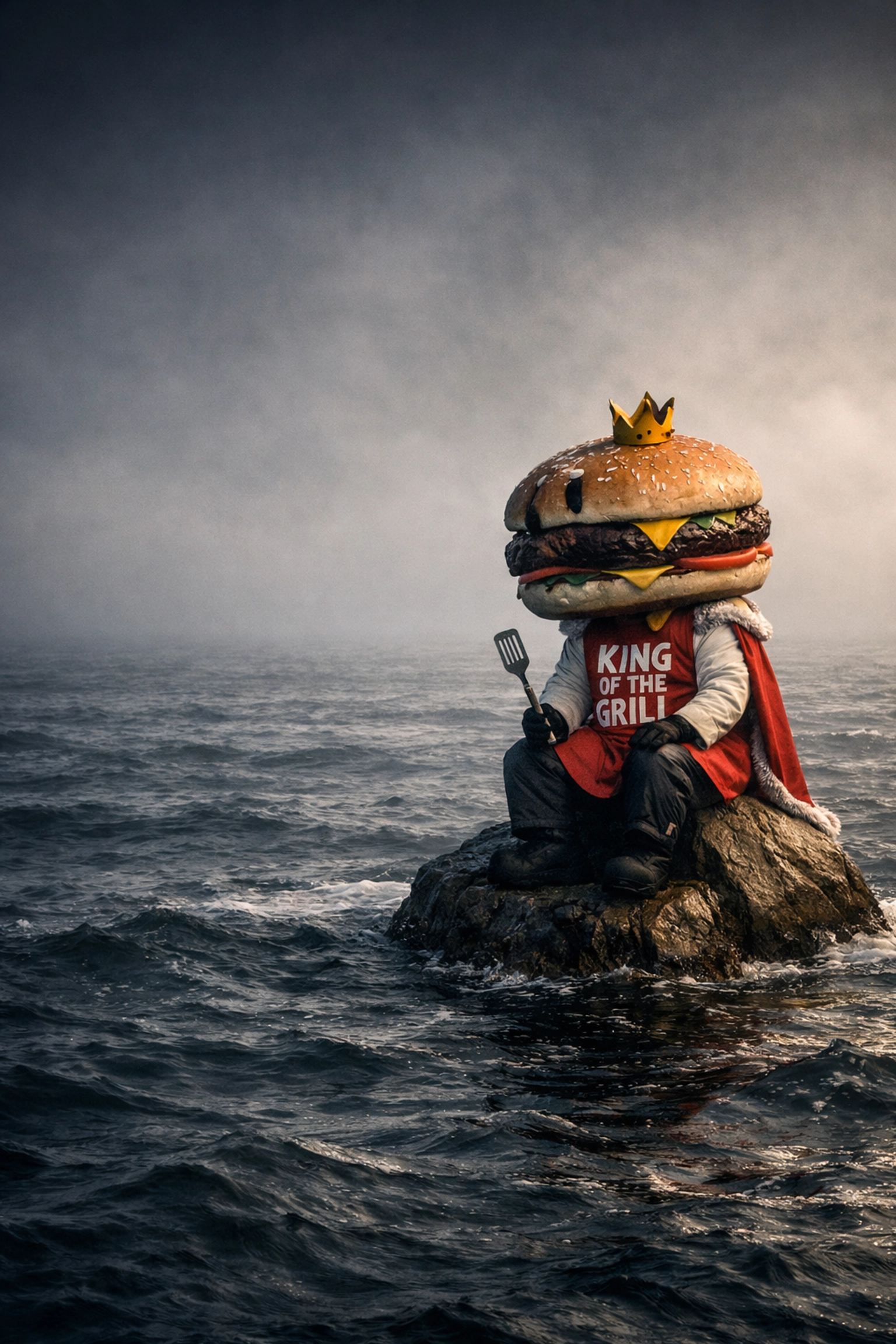
The “Zombie Lead” Delusion
Whenever we start working with a new brand at FranLift, one of the first things they do is hand us a spreadsheet. “Here are 2,000 leads we’ve collected over the last three years,” they say with a glimmer of hope. “These are all people who went to our website and clicked ‘Request Info’.”
News flash: Those leads are dead.
In the industry, we call these “zombie leads.” Sure, they might have had a passing interest in your brand in 2024 when they were bored at work, but by 2026, their life has changed. They’ve bought a different franchise, they got a promotion, they moved, or they simply forgot who you are.
Old leads very rarely yield new franchise owners. In franchise development, fresh intent is everything. You need people who are looking now, who are motivated now, and who have the capital now. Trying to squeeze blood from the stone of a two-year-old database is a waste of your sales team’s time. If you want to scale, you have to look forward, not backward.
The Power (and Price) of Social Media Marketing
While there are dozens of ways to find leads, portals, brokers, organic SEO, social media marketing (specifically Meta and LinkedIn) remains the primary engine for most successful emerging brands.
Social media allows us to target based on interests, net worth, and entrepreneurial behavior. It’s the best way to get your “discovery” story in front of the right people. But it’s a pay-to-play world. To get a high-quality lead, someone who actually fills out a long-form application and has the liquidity to qualify, you’re going to have to spend.
This brings us to the most important metric in your business: The Cost of Franchisee Acquisition (CAC).
The Math of Growth: $20,000 per Deal
Let’s look at the cold, hard numbers. Based on our data at FranLift, here is what it actually costs to land a single franchisee in 2026:
- Emerging Brands: On average, you’re looking at $15,000 to $20,000 in marketing spend to acquire one signed franchise agreement.
- Mature Brands: Even with name recognition, the competition is fiercer. These brands usually spend between $10,000 and $20,000 per deal.
Think about that for a second. Every time you ring the bell and sign a new owner, you’ve likely spent twenty grand just to get them to the table.
If you are spending $20,000 to get one person to say “yes,” how much are you willing to bet on the person handling the phone call?

Don’t Be Penny Wise and Pound Foolish
This is the “Punch Line” of the entire franchise industry. I see CEOs who will happily write a $50,000 check for a three-month social media ad campaign, but then they hire a “development coordinator” for $45,000 a year to handle the leads. Or worse, they try to handle the leads themselves between board meetings and operational fires.
That is being penny wise and pound foolish.
You are spending elite-level money on marketing. If you don’t have an elite closer to catch those leads, you are effectively burning cash. When a lead costs you hundreds of dollars just to generate, and thousands to convert, you cannot afford to have a “B-player” on the front lines.
Franchise sales is not like retail sales. It’s a long-cycle, high-emotion, high-logic financial transaction. It requires someone who understands Discovery Days, FDD disclosures, multi-unit scaling, and the psychological hurdles of a career-changer.
You have two real options if you want to see a return on your marketing investment:
- Hire a Rockstar: Find a heavy hitter. Someone with a proven track record of closing 20+ deals a year. But be warned: a true rockstar is going to demand a six-figure base salary, a fat commission per deal, and often a slice of your equity.
- Partner with an FSO: Use a Franchise Sales Organization like FranLift. We provide the elite talent without the six-figure salary overhead or the equity grab.
The FranLift Difference: Execution Without the Equity
At FranLift, we don’t just “provide leads.” In fact, we aren’t a lead generation source at all. We are an execution partner. We manage the complete franchise sales cycle. We coordinate your marketing activities to ensure the leads coming in are high-quality, and then our team of seasoned professionals does the heavy lifting of moving them through the pipeline.
We believe that founders shouldn’t have to give away 10% or 20% of their company just to get a professional sales team. That’s why we operate on a model that favors the brand:
- No Equity: You keep 100% of your company. We’re here to help you grow, not to take your hard-earned ownership.
- Month-to-Month Contracts: We believe in earning our keep every single month. If we aren’t performing, you shouldn’t be paying. No long-term traps.
- Full-Cycle Management: From the first “hello” to the final signature on the FDD, we handle the process.

The Bottom Line
Marketing is the fuel, but sales execution is the engine. You can have the most expensive, high-octane fuel in the world, but if your engine is broken, you’re just sitting in the driveway.
If you’re serious about expanding into new markets in 2026, stop relying on your local reputation. Stop trying to revive “zombie leads” from three years ago. Invest in a high-quality social media strategy, but most importantly, ensure you have the talent to close the deals you’re paying so much to find.
Whether you hire a direct employee or partner with a professional franchise development consultant, make sure they are a “race horse” who can handle the pressure of a $20,000 acquisition cost.
Ready to see how elite sales execution can transform your growth trajectory? Let’s talk about how FranLift can manage your sales cycle and help you scale without the overhead.
Learn more about why brands choose franchise sales outsourcing.
